Radical
CUSTOM BUILT
Size: Yours
S/S 26

It's 2026.And you still don't have a bra that fits?

We can manufacture parts to tolerances finer than a human hair. We can scan a body in three dimensions. We can send people to space for fun. But the majority of women, in the year 2026, cannot find a bra that fits.

This is not an unsolvable problem. So why the fuck hasn’t anyone done it yet? Let me enlighten you first:

It's not you (it's really not)

Every aspect of buying a bra has its cracks.

Most of us have never been fitted for a bra. In fact in a 2026 survey of 5,000 American women, 63 percent said they’d never had a professional fitting.

We’re all wearing the wrong sizes. In one 2003 study, researchers checked 102 women and found every single one in the wrong size. Nearly all of them had never been professionally fitted before.

No one actually knows what a correct bra should feel like. In a 2026 study, women were asked to tell a bra that fit from one that didn’t, and every one of them failed. Which makes sense. If you’ve never worn a bra that fits, you have nothing to compare against. You can spend twenty years cycling through brands without once learning what right feels like.

What you learn instead is the vocabulary. “I’m between sizes.” “My boobs are weird.” “Bras just don’t work for me.”

Layer on top the fact that boobs inherently are extremely variable, we’ve been running around in a maze with no way out. Just to list a few “environmental factors”: A quarter of women have visible asymmetry of a full cup size or more. Breast volume shifts across your cycle. Bodies change with age, pregnancy, weight, and everything else bodies do. None of that is a defect.

The industry is just very good at making normal variation feel like a personal failing, because once you decide the problem is you, it stops being theirs.

So you buy another bra. Or you give up and settle. 58 percent of women take their bra off the second they get home. We’ve collectively agreed that discomfort is the price of having breasts, and then we pay for it.

The customers who don't exist

This is where it stops being a fitting-room annoyance and becomes a business problem.

Say you run a bra brand. To decide what to make next season, you look at what sold last season. Lots of 34Cs? Make more 34Cs. Barely any 30Gs? Make fewer, or drop it.

Totally reasonable. Except sales data only tells you what happened when you offered someone something. The woman who needs a 30G and can’t find one never shows up as a 30G customer. She buys a 34DD, sends it back, and quietly stops shopping with you. As far as the data is concerned, she doesn’t exist.

Returns don’t help much either. Online, roughly a quarter of all intimates get sent back, but a returned bra only tells a brand what didn’t fit. It says nothing about what would have.

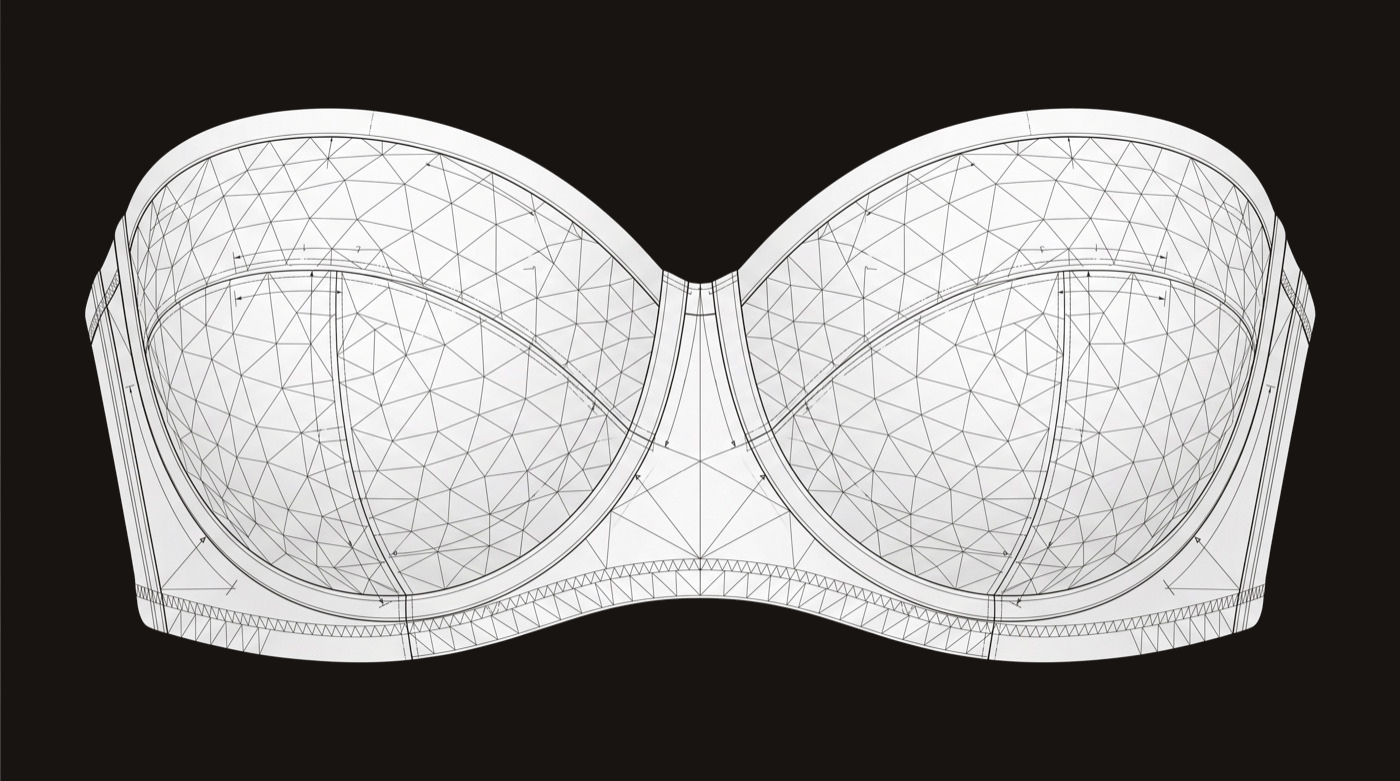
The economics make it worse. A single bra can have 20 to 48 components, and every size you add costs money in production, inventory, and forecasting. So ranges shrink, slow sellers get cut, the women who need them vanish from the numbers, and next season the same numbers make the same call.

You can see it on the shelf. Most brands start at a 32 band. Yet the standard tape method overestimates band size in three out of four women, meaning there are plenty of 34s walking around who are really 30s, and almost nobody makes a 30.

Nobody knows what we look like

We are not making the sizes people need - because we don't know what sizes people need.

The best-known large-scale dataset of American women’s body measurements, SizeUSA, was collected in 2002 and 2003. It is older than the iPhone. A recent analysis of 2,748 women from that dataset found 40 percent measured D or larger, which means the sizes the industry files under “extended” were four in ten women in the sample.

Since then there have been a handful of smaller studies, in Hong Kong and Australia, all pointing the same way: the range of bodies is wider than any size chart. And not much else. Retailers have sales data, which only reflects what they chose to sell. Nobody has a current picture of women’s actual measurements at the scale you’d need to make bras for all of them.

The industry has spent a century fitting a population it has never properly measured.

So let's make bras that fit.

Every fix I’ve watched the industry try (new letters, half sizes, smarter online quizzes) has improved the answer without changing the question. They all still end with someone picking you a size off a list.

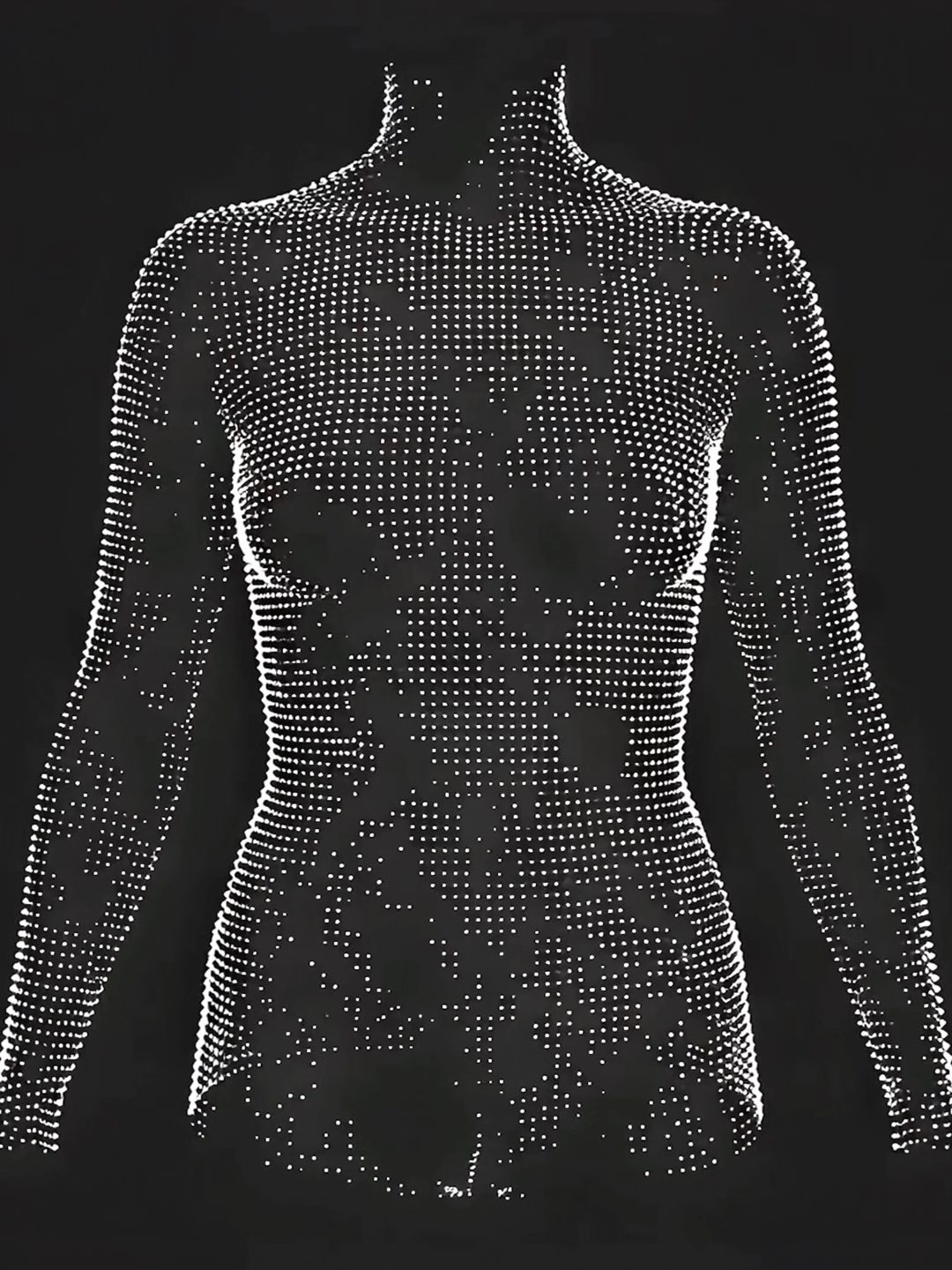
But we can scan a body in three dimensions. We can engineer products around individual geometry. And we can manufacture them at scale.

We don’t have to choose between custom and affordable anymore.

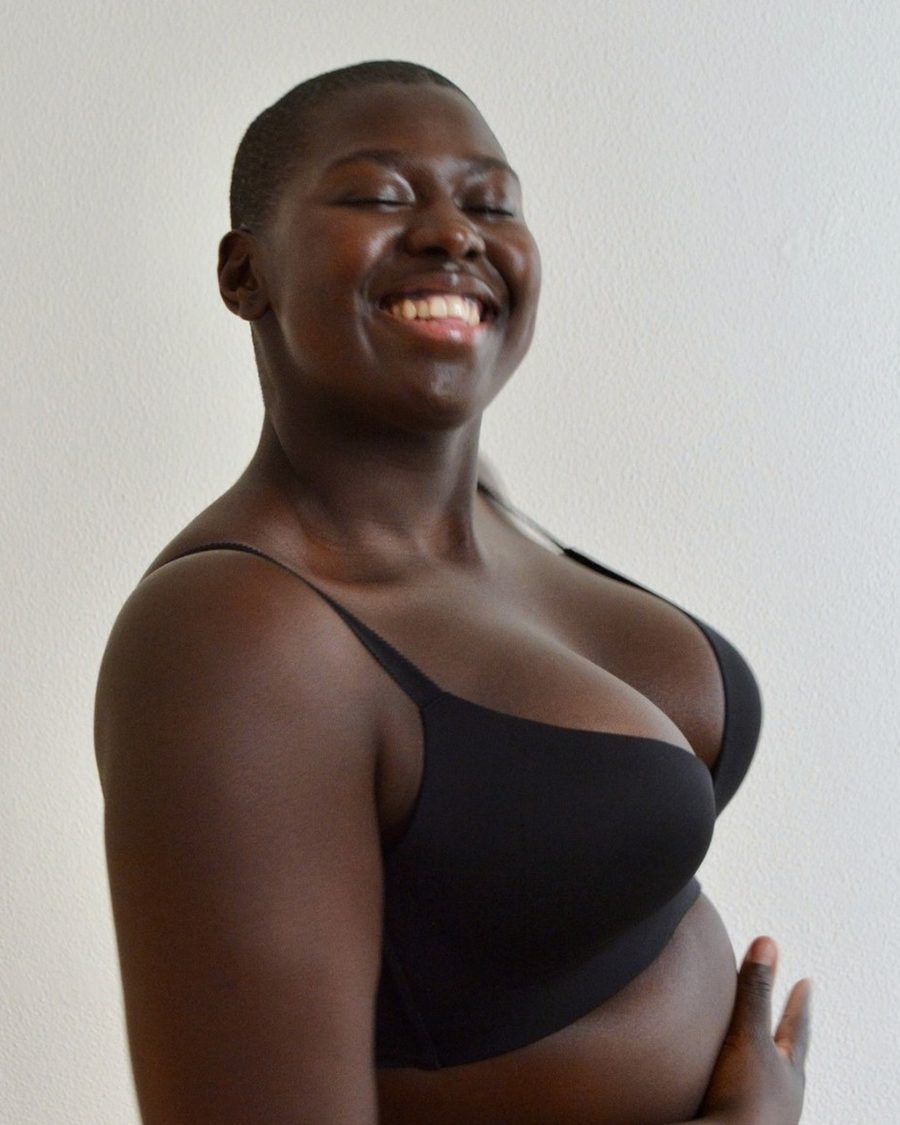
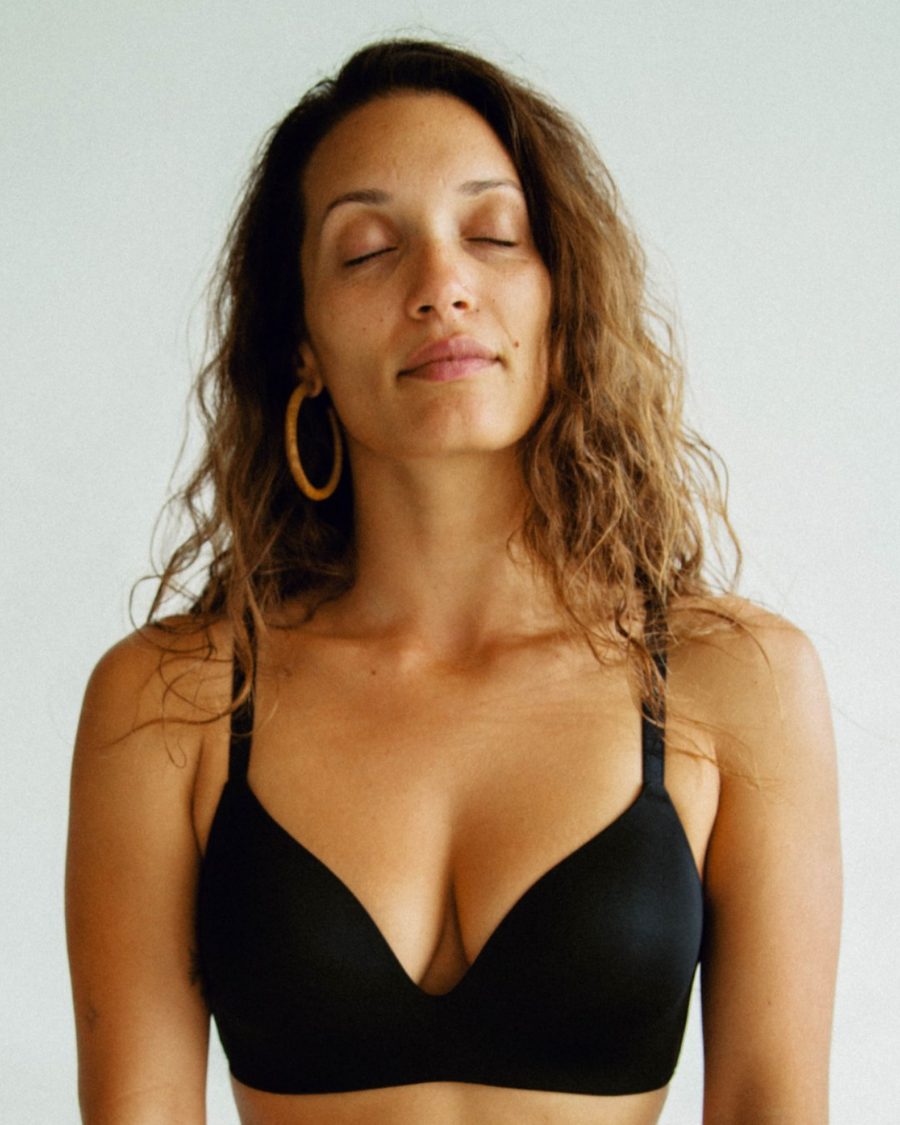
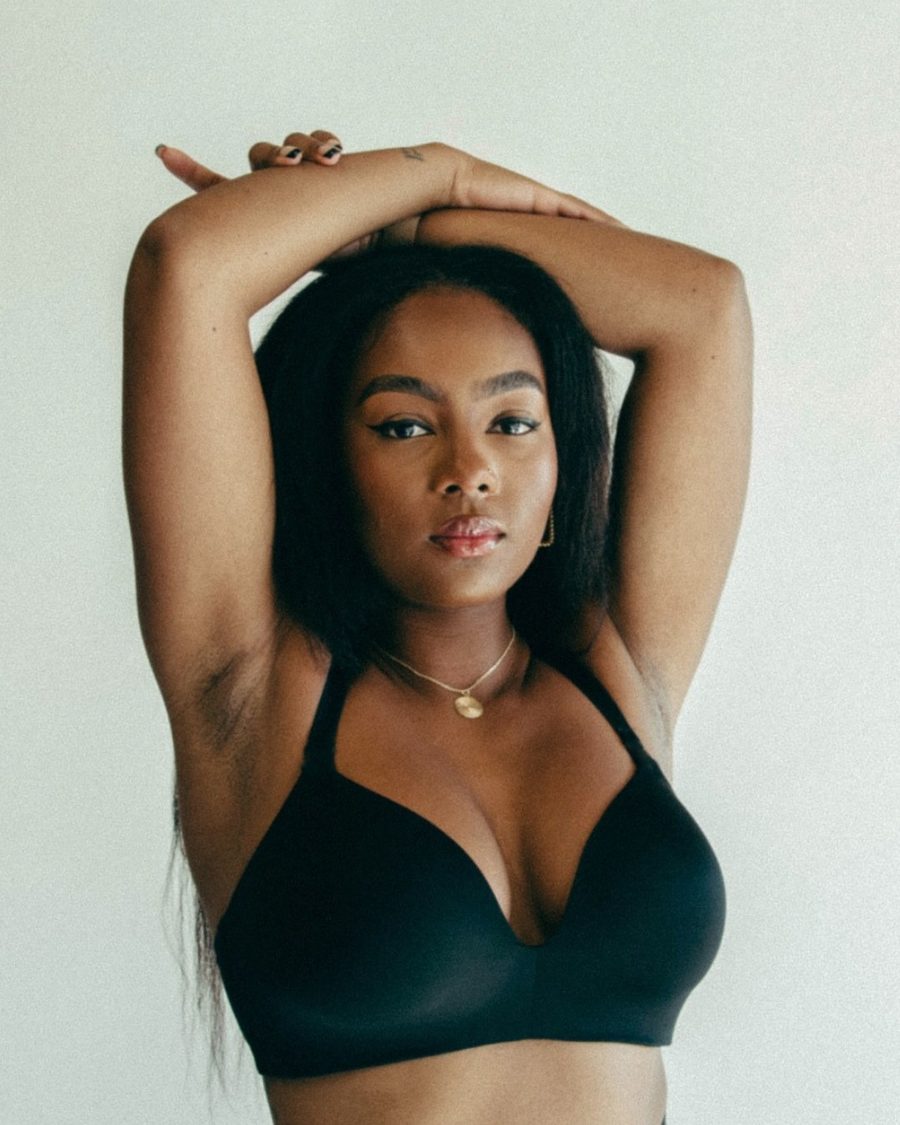
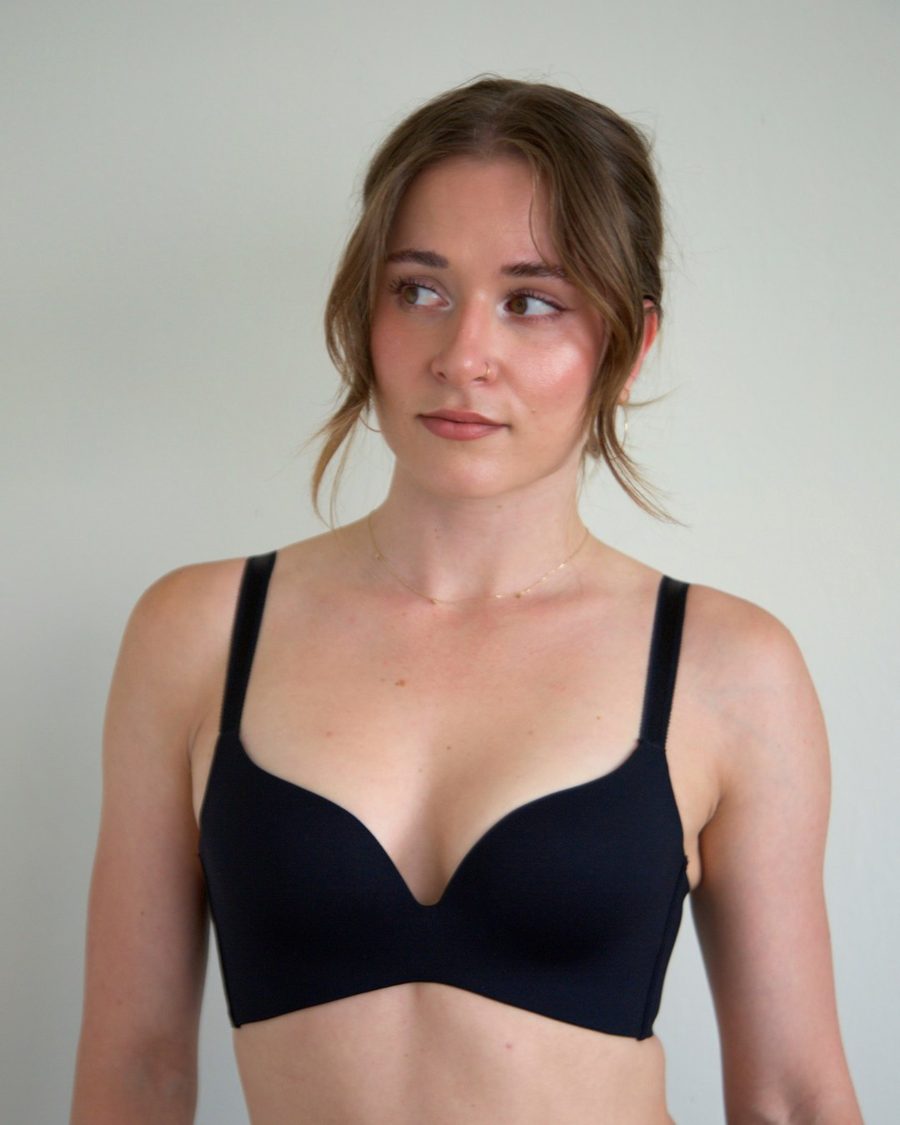
That’s why we built Radical. Take a 3D scan on your phone, answer a few questions, and we make a bra engineered to your body. No size chart. No settling for the closest option. Just a bra made for the person wearing it.

For a century, we’ve asked women to make their bodies fit the bras available to them. We think it’s time to reverse that.

Let’s get to work.

Receipts

“Eight in ten”: a widely repeated industry figure with no population study behind it. The closest sources are a Bravissimo survey of about 1,000 women (2013) and Wood et al. (2008), a 30-woman study.

Business Insider (2017): a journalist receives different bra sizes at four Victoria’s Secret stores in New York City.

White & Scurr (2012), University of Portsmouth: traditional bra-fitting methods compared with professional fit criteria.

Greenbaum & Heslop (2003), British Journal of Plastic Surgery: bra fit among 102 women, all found wearing incorrectly sized bras.

Talker Research (June 2026), commissioned by Bravissimo: online survey of 5,000 American women on fittings and bra-wearing habits. Not peer-reviewed.

Haworth et al. (2026), International Journal of Fashion Design, Technology and Education, 19(2): 24 women’s ability to identify correct and incorrect bra fit.

Suhail et al. (2023), Journal of Plastic, Reconstructive & Aesthetic Surgery: systematic review of developmental breast asymmetry, which it puts at about a quarter of women.

Hussain et al. (1999), British Journal of Radiology: MRI measurements of breast volume across the menstrual cycle in 15 women, about 8 percent higher before menses than at menses.

Sohn & Kim (2026), Fashion and Textiles: bust and underbust measurements of 2,748 American women aged 26 to 45, using SizeUSA data collected in 2002 and 2003.

Zheng (2007), Hong Kong Polytechnic University: 3D scans of 456 women, underbust measurements and bra sizing.

McGhee et al. (2011, 2018): professionally fitted bra sizes and 3D-scan measurements in Australian women.

Prime AI (2025); Coresight Research (2023): online apparel and intimates return rates.

Textile School (2012); FashionUnited (2015): trade estimates of what goes into one bra, 10 to 48 pieces and 45 components respectively. Not peer-reviewed.

HerRoom (2021, updated 2025): a retailer’s note that 28 and 30 bands are rarely available for sale. Not peer-reviewed.

The research above spans different years, populations, and methods, so read it in that context.